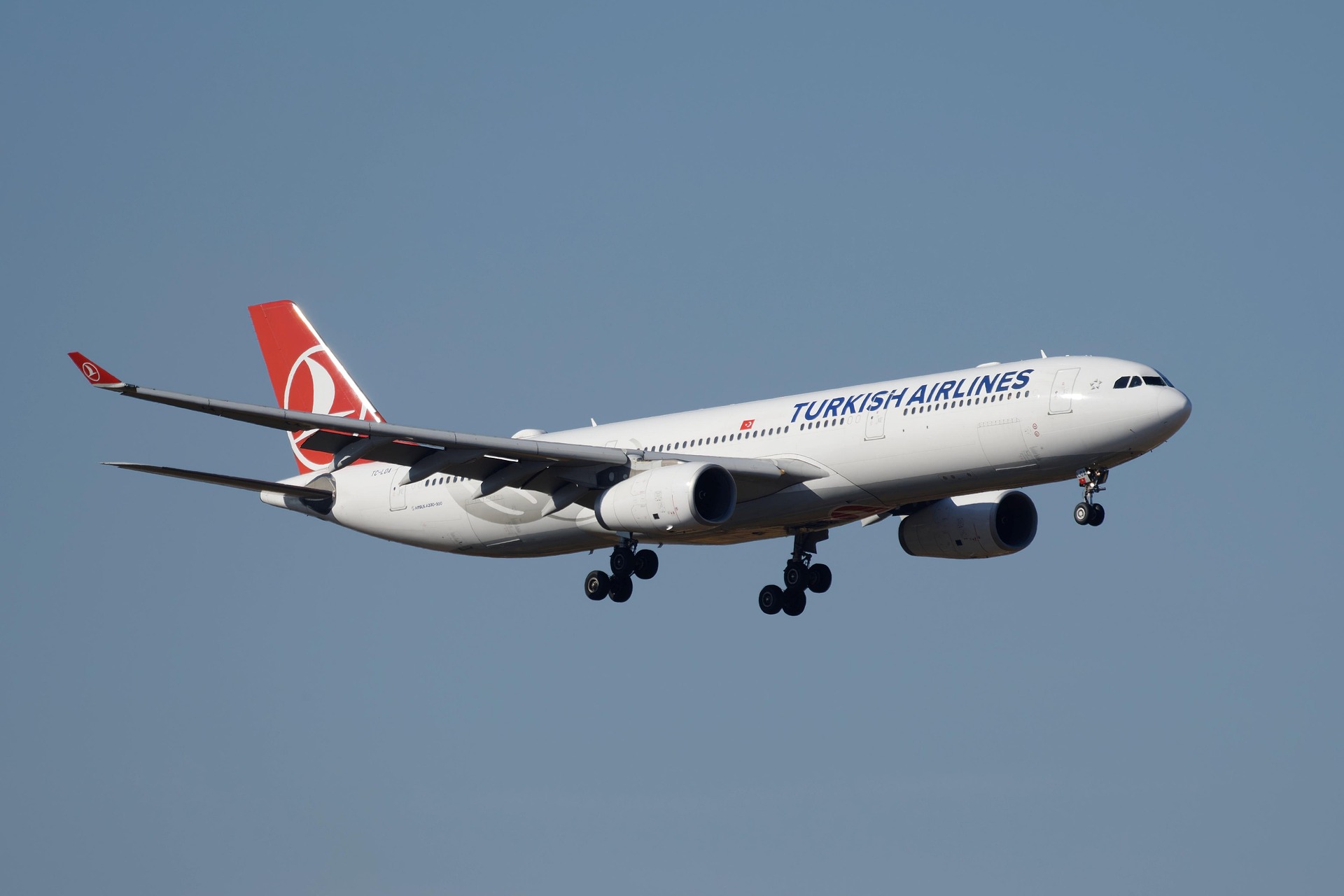
Overview
Turkish Airlines (IATA code: TK) is Turkey’s national carrier and one of the world’s largest airlines by number of destinations. Headquartered in Istanbul, it operates a vast global network connecting Europe, Asia, Africa, and the Americas.
Known for its high-quality help, Turkish Airlines combines strong European and Middle Eastern connectivity with premium long-haul offerings. The airline is a founding member of the Star Alliance, providing seamless global connections and frequent flyer benefits.
History & Milestones
Turkish Airlines has grown from a modest regional carrier into a major global airline.
- 1933: Founding — Turkish Airlines was established as a state-owned enterprise, beginning operations with a single aircraft.
- 1950s–1970s: Early Expansion — Began flying to international destinations in Europe and the Middle East, gradually expanding its fleet and network.
- 1980s–1990s: Fleet Modernization — Introduced jet aircraft including McDonnell Douglas and Boeing models to modernize operations.
- 2000s: Global Strategy — Aggressive expansion of long-haul flights to the Americas, Asia, and Africa. Enhanced in-flight helps and frequent flyer program (Miles&Smiles).
- 2010s–Present: Istanbul Airport Hub — Istanbul Airport (IST) became the primary hub in 2019, allowing Turkish Airlines to operate an even larger network of international routes efficiently.
Network, Hubs & Global Reach
Primary Hub
- Istanbul Airport (IST) — flagship hub connecting Europe, Asia, Africa, and the Americas. Serves as a key global transfer point.
Global Reach
- Turkish Airlines flies to over 330 destinations in more than 120 countries, making it one of the largest networks in the world.
- Extensive Star Alliance membership allows passengers to connect to virtually every corner of the globe.
- Unique position bridging Europe, Asia, and Africa allows strategic routing for both business and leisure travelers.
Business Model & Corporate Stats
Turkish Airlines combines legacy airline operations with strategic global expansion.
- Fleet: Over 380 aircraft, including wide-body and narrow-body jets (Boeing 737, 777, 787, and Airbus A321, A330).
- Employees: Approximately 37,000 worldwide.
- Daily Operations: Hundreds of flights connecting Istanbul with major global hubs.
- Revenue Streams: Passenger helps, cargo operations, loyalty program (Miles&Smiles), and premium cabin helps.
Passenger Experience: Services, Classes & Fleet
Turkish Airlines emphasizes comfort, hospitality, and Turkish-themed premium helps.
Cabin Classes
- Business Class — lie-flat or angled seats on long-haul flights, premium meals, lounge access, priority boarding.
- Comfort & Premium Economy (select flights) — extra legroom, enhanced meals and help.
- Economy Class — standard seating with in-flight entertainment, complimentary meals, and Turkish hospitality.
Fleet & Modernization
- Wide-Body Aircraft: Boeing 777, 787 Dreamliner, Airbus A330 for long-haul operations.
- Narrow-Body Aircraft: Boeing 737, Airbus A321 for regional and short-haul flights.
- Modernization focuses on fuel efficiency, reliability, and improved passenger experience.
What Sets Turkish Airlines Apart: Strengths & Strategic Advantages
- Largest Global Destination Network — over 330 destinations, unmatched among legacy carriers.
- Istanbul Hub Advantage — strategic location connecting Europe, Asia, Africa, and the Americas efficiently.
- Star Alliance Membership — enhanced connectivity and frequent flyer benefits.
- Turkish Hospitality — high-quality meals, help, and premium amenities.
- Diverse Fleet — flexible operations for both long-haul and regional markets.
Challenges & External Pressures
- Geopolitical & Economic Factors — political or economic instability in certain regions may affect operations.
- Fuel & Operating Costs — long-haul operations are sensitive to fuel price fluctuations.
- Competition — faces rivalry from Middle Eastern carriers (Emirates, Qatar Airways, Etihad) and European/US legacy airlines.
- Environmental Pressure — fleet modernization and emissions reduction are necessary for sustainability.
Practical Advice: What Travelers Should Know When Flying Turkish Airlines
- Leverage Istanbul Hub — ideal for connecting flights between continents.
- Business Class for Long-Haul Comfort — premium meals, lounges, and lie-flat seats enhance long-haul experience.
- Frequent Flyer Program — Miles&Smiles offers rewards and upgrades through Star Alliance.
- Check Aircraft Type — some long-haul flights are operated by 787 Dreamliner or 777, providing more comfort and amenities.
- Meal & Entertainment — Turkish Airlines is renowned for high-quality meals and in-flight entertainment on all long-haul flights.