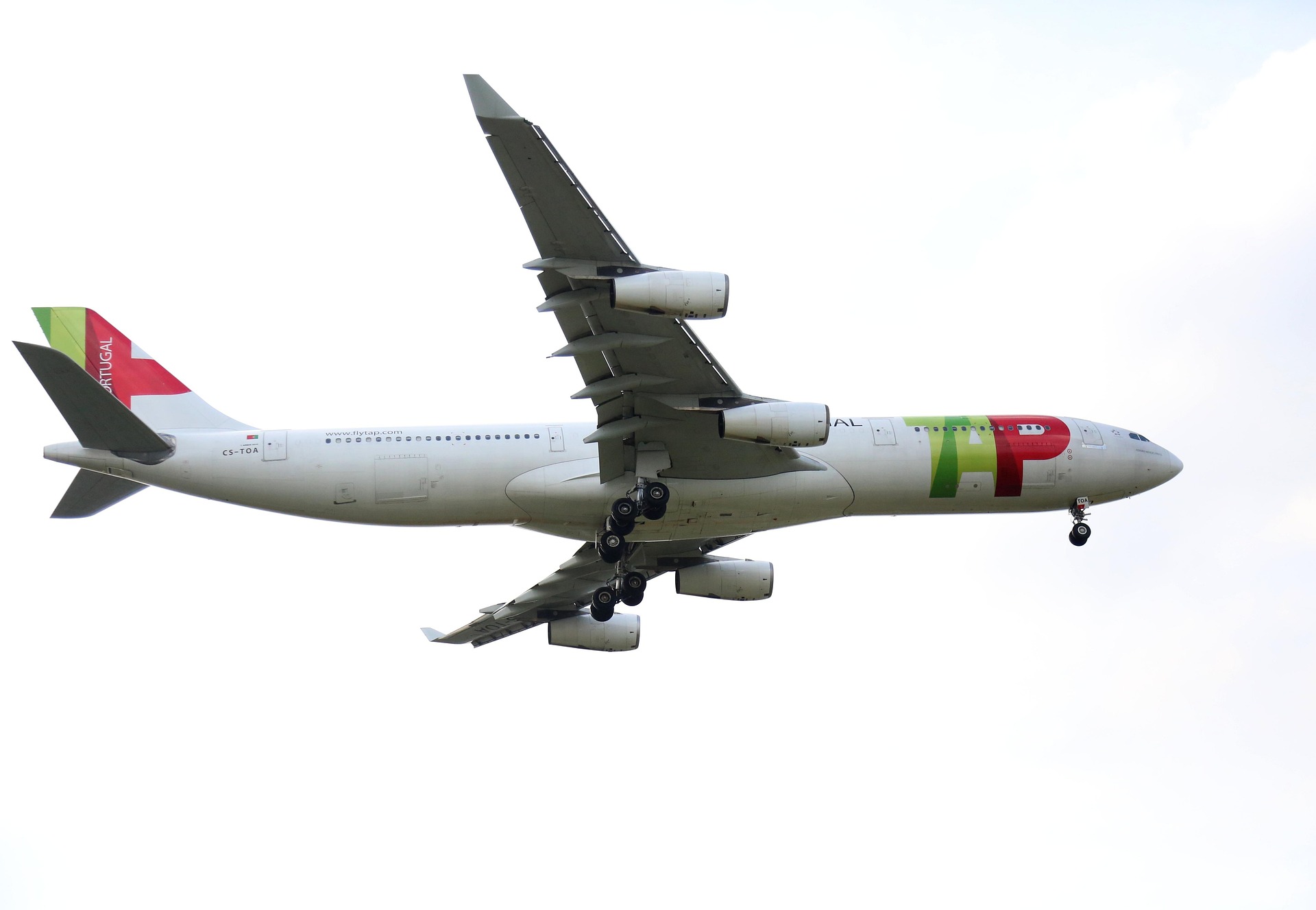
Overview
TAP Air Portugal (IATA code: TP) is the national flag carrier of Portugal and one of Europe’s most recognized airlines, known for its strategic transatlantic connections, particularly between Europe, Africa, and the Americas. Headquartered in Lisbon, TAP has built a strong identity around Portuguese hospitality, modern aviation, and connecting continents through its well-positioned Lisbon and Porto hubs.
The airline is especially known for:
- Its extensive network to Brazil
- Competitive fares for transatlantic travelers
- An increasingly modern fleet
- Warm, Portuguese-inspired help
History & Milestones
TAP has grown from a modest regional carrier into a global airline with a focus on intercontinental travel.
1945: Birth of the Portuguese National Airline
- Established as “Transportes Aéreos Portugueses” in Lisbon.
- Initially operated small regional routes within Europe and North Africa.
1946–1970s: Growth & International Expansion
- Launched its first international flight between Lisbon and Madrid.
- Expanded into Africa, Brazil, and major European capitals.
- Introduced larger aircraft and modernized its operations throughout the 1960s.
1980s–2000s: Fleet Modernization & Rebranding
- Adopted Airbus aircraft as the main fleet type.
- Strengthened its identity under the “TAP Portugal” brand.
- Invested in long-haul expansion between Portugal and Brazil.
2015–Present: Revival and Innovation
- Underwent partial privatization and restructuring.
- Enhanced fleet with the Airbus A330neo and A320neo families.
- Rebranded to TAP Air Portugal, emphasizing national heritage.
- Introduced digital improvements, sustainability initiatives, and improved onboard products.
Network, Hubs & Global Reach
Primary Hubs
- Lisbon Humberto Delgado Airport (LIS) — main global hub
- Porto Francisco Sá Carneiro Airport (OPO) — secondary hub for European routes
Global Coverage
TAP serves 90+ destinations across more than 30 countries, with strengths in:
- Europe – extensive links to major cities
- South America – especially strong presence in Brazil
- North America – growing transatlantic network
- Africa – connections to Angola, Mozambique, Cape Verde, and more
- Domestic Portugal – Madeira, Azores, and regional routes
Strategic Position
Lisbon’s geographic location enables efficient connections between:
- Europe ↔ Brazil
- Europe ↔ West Africa
- Europe ↔ North America
Business Model & Corporate Stats
TAP’s business model blends cultural identity, strategic hubs, and modern fleet strategy.
- Fleet Size: Over 90 aircraft, mostly Airbus
- Employees: Approximately 8,000–10,000
- Daily Flights: Hundreds of combined short-haul and long-haul operations
Key Business Focus Areas
- Transatlantic travel (Lisbon as a connecting gateway)
- Strong ties with Brazil — TAP is one of the largest European carriers to the country
- Modernization through Airbus A320neo/A330neo fleets
- Frequent flyer program: TAP Miles&Go
- Star Alliance membership for global connectivity
Passenger Experience: Services, Classes & Fleet
TAP positions itself as a comfortable, modern full-help carrier with Portuguese warmth.
Cabin Classes
Executive Class (Business Class)
- Lie-flat seats on long-haul aircraft
- Premium Portuguese cuisine and wine
- Priority check-in, boarding, lounge access
EconomyXtra
- Extra legroom
- Priority boarding
- Enhanced comfort on long flights
Economy Class
- Complimentary meals on long-haul flights
- Clean and comfortable cabins
- Friendly Portuguese-style help
Fleet & Modernization
TAP operates a young Airbus fleet, including:
- A330-900neo – flagship long-haul aircraft
- A321LR/XLR – narrow-body long-haul flexibility
- A320neo family – efficient short/medium-haul operations
Advantages of TAP’s fleet strategy:
- Lower fuel consumption
- Enhanced passenger comfort (newer cabin interiors)
- Operational efficiency across transatlantic routes
What Sets TAP Air Portugal Apart
1. Europe–Brazil Connectivity
TAP is one of the largest European airlines serving Brazil, making it a preferred carrier for Portuguese and Brazilian travelers.
2. Strategic Lisbon Hub
Ideal for passengers connecting between:
- North America → Europe
- Europe → Brazil
- Africa → Europe
3. Modern Neo Fleet
TAP was an early adopter of Airbus A330neo aircraft, offering quieter cabins, better efficiency, and improved comfort.
4. Portuguese Hospitality
From meals to help style, TAP highlights Portuguese culture in a warm and authentic way.
5. Strong Global Alliances
As a Star Alliance member, TAP provides access to:
- Dozens of partner airlines
- Hundreds of lounges worldwide
- Smooth intercontinental connections
Challenges & External Pressures
Despite its strengths, TAP faces several challenges:
1. Competition on Transatlantic Routes
Competes heavily with global players like:
- Iberia
- Air France
- KLM
- British Airways
- U.S. legacy carriers
2. Operational Costs
Maintaining competitiveness while upgrading aircraft and helps requires significant investment.
3. Economic & Regulatory Pressure
European aviation regulations and economic fluctuations influence TAP’s long-term planning.
4. Dependence on Lisbon Hub
Disruptions at LIS can impact the airline’s overall network efficiency.
Practical Advice for Travelers Flying TAP Air Portugal
- Book Early for Brazil Routes — demand is consistently high.
- Opt for EconomyXtra on long-haul flights for added value and comfort.
- Use Lisbon as a Stopover — TAP offers attractive stopover programs for 1–5 days.
- Join Miles&Go — excellent for earning miles on transatlantic flights.
- Check A330neo Availability — these aircraft offer TAP’s best long-haul experience.