Overview
Emirates Airlines (IATA code: EK) is the flagship carrier of Dubai and one of the world’s most prestigious long-haul airlines. Known for luxury, innovation, and world-class help, Emirates has built a global brand centered on comfort, connectivity, and the use of modern wide-body aircraft.
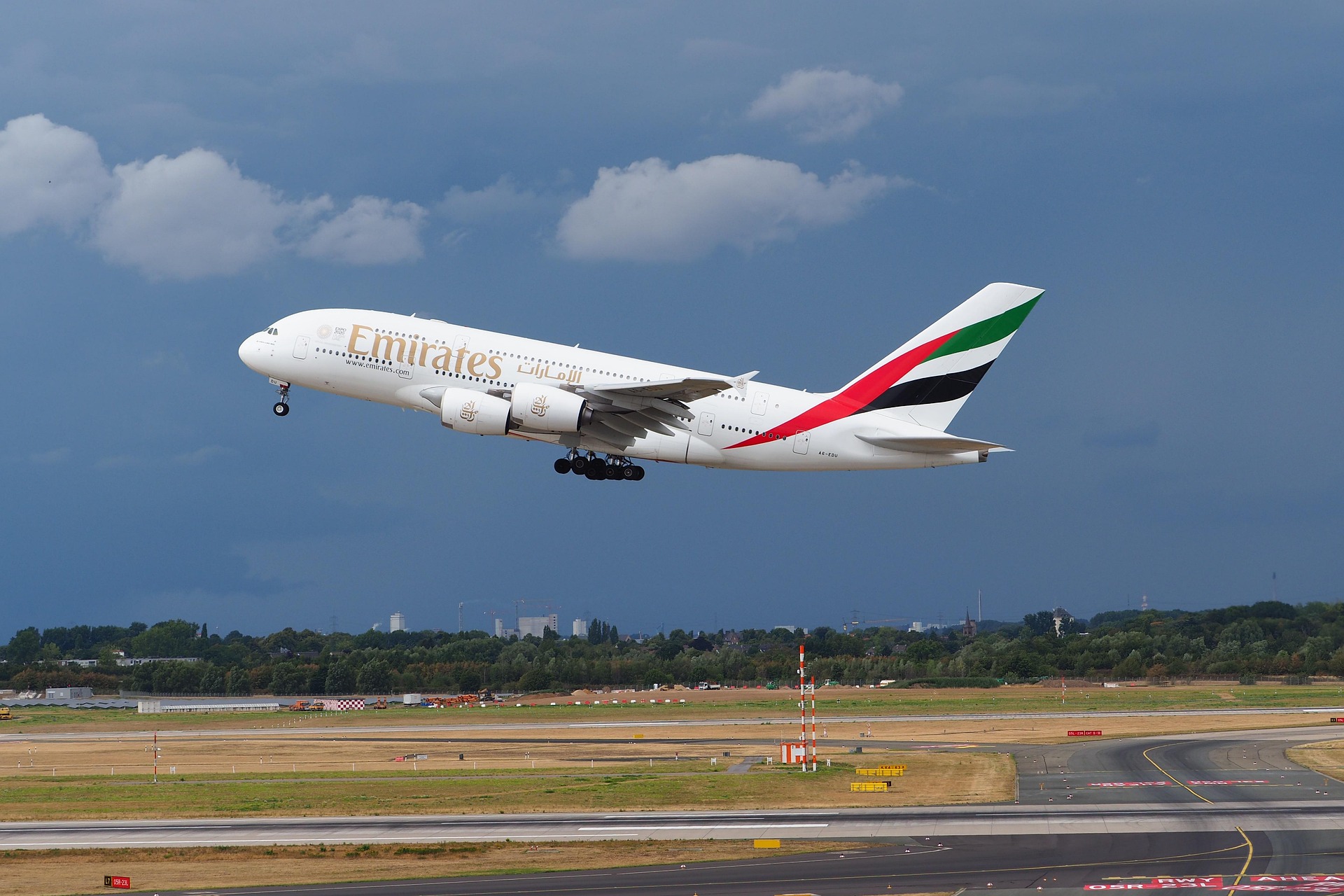
Headquartered in Dubai, the airline operates an extensive international network that spans six continents. It is known for its premium onboard experience, iconic Airbus A380 helps, and exceptional hospitality inspired by Arabian culture and global standards.
History & Milestones
Emirates is one of the fastest-growing airline success stories in modern aviation.
1985: The Beginning
- Launched with only two leased aircraft.
- Formed under the vision of Dubai’s royal leadership to boost tourism and global connectivity.
1990s: Strategic Expansion
- Rapid route additions across Europe, Asia, and the Middle East.
- Investment in wide-body aircraft to build Dubai as a global hub.
2000s: Global Dominance
- Became the world’s largest operator of the Airbus A380.
- Introduced industry-leading premium products, including private First-Class suites.
- Focused heavily on long-haul travel, positioning Dubai as a one-stop gateway between East and West.
2010s–Present: Innovation & Fleet Modernization
- Continued expansion of long-haul destinations.
- Introduction of the Boeing 777X orders and next-generation cabin designs.
- Emphasis on digital transformation, sustainability, and enhanced passenger experience.
Network, Hubs & Global Reach
Primary Hub
- Dubai International Airport (DXB) — One of the world’s busiest international hubs, optimized for seamless long-haul connections.
Global Reach
- Serves over 150 destinations across:
- Europe
- Asia
- Africa
- Middle East
- Oceania
- The Americas
Key Strength
Emirates uses a pure wide-body strategy, allowing comfort-focused help across its network and maximizing connecting traffic through Dubai.
Business Model & Corporate Stats
Emirates thrives with a premium, long-haul focused business model.
- Fleet Size: Over 250 aircraft, entirely wide-body (Boeing 777s and Airbus A380s).
- Employees: Approximately 100,000 worldwide.
- Daily Flights: Hundreds of long-haul operations connecting global hubs.
- Brand Focus: Luxury help, high-quality cabins, and strong global branding.
Revenue Streams Include:
- Passenger transport
- Emirates SkyCargo
- Premium cabin upgrades
- Loyalty program (Skywards)
- Partnerships with ground/airport helps
Passenger Experience: Services, Classes & Fleet
Emirates is globally recognized for its luxurious and consistent in-flight experience.
Cabin Classes
First Class
- Private suites with closing doors
- Onboard shower spa (A380)
- Premium dining, rare wines, and chauffeur help
Business Class
- Lie-flat beds
- Onboard lounge / bar on A380
- Lounge access and priority helps
Premium Economy
- Spacious seats, upgraded meals, enhanced entertainment
Economy Class
- Comfortable seating
- One of the best entertainment systems in the world (ICE)
- Quality meals and attentive help
Fleet & Modernization
Emirates operates only wide-body aircraft, making it unique among major airlines.
- Airbus A380 – flagship for long-haul routes
- Boeing 777-300ER / 777-200LR – backbone of global operations
- Future fleet additions include Boeing 777X and next-generation long-haul jets
Fleet strategy helps ensure:
- Higher comfort
- Greater cargo capacity
- Strong operational reliability
What Sets Emirates Apart: Strengths & Strategic Advantages
- Luxury & Service Excellence — industry-leading First & Business Class products.
- Best-in-class In-flight Entertainment — ICE system often rated #1 globally.
- Dubai Hub Advantage — geographically ideal for connecting Europe-Asia-Africa-Oceania.
- Consistent Wide-Body Fleet — ensures higher comfort and operational efficiency.
- Strong Brand Image — Emirates is known worldwide for premium travel and hospitality.
- Global Sponsorships — major sports partnerships enhance its worldwide visibility.
Challenges & External Pressures
Despite its strengths, Emirates faces several industry pressures:
1. Competitive Landscape
- Intense competition from Qatar Airways, Etihad, Turkish Airlines, and major European/Asian carriers.
2. Fuel Price Volatility
- As a long-haul carrier, Emirates is highly exposed to fuel costs.
3. Environmental & Regulatory Pressure
- Fleet modernization and emissions reduction are essential for future sustainability.
4. Dependence on Dubai Hub
- All operations depend on DXB, making disruptions more impactful.
Practical Advice: What Travelers Should Know When Flying Emirates
- Book Early for A380 Routes — premium seats fill up quickly on flagship long-haul flights.
- Take Advantage of Free Stopovers in Dubai — ideal for travelers wanting a short break between Europe, Asia, and Africa.
- Use the Emirates Skywards Program — excellent for long-haul rewards and upgrades.
- Expect Premium Hospitality — even in Economy, help quality is consistently high.
- Check Routes for A380 Availability — if you prefer the onboard lounge/shower spa experience.