Overview
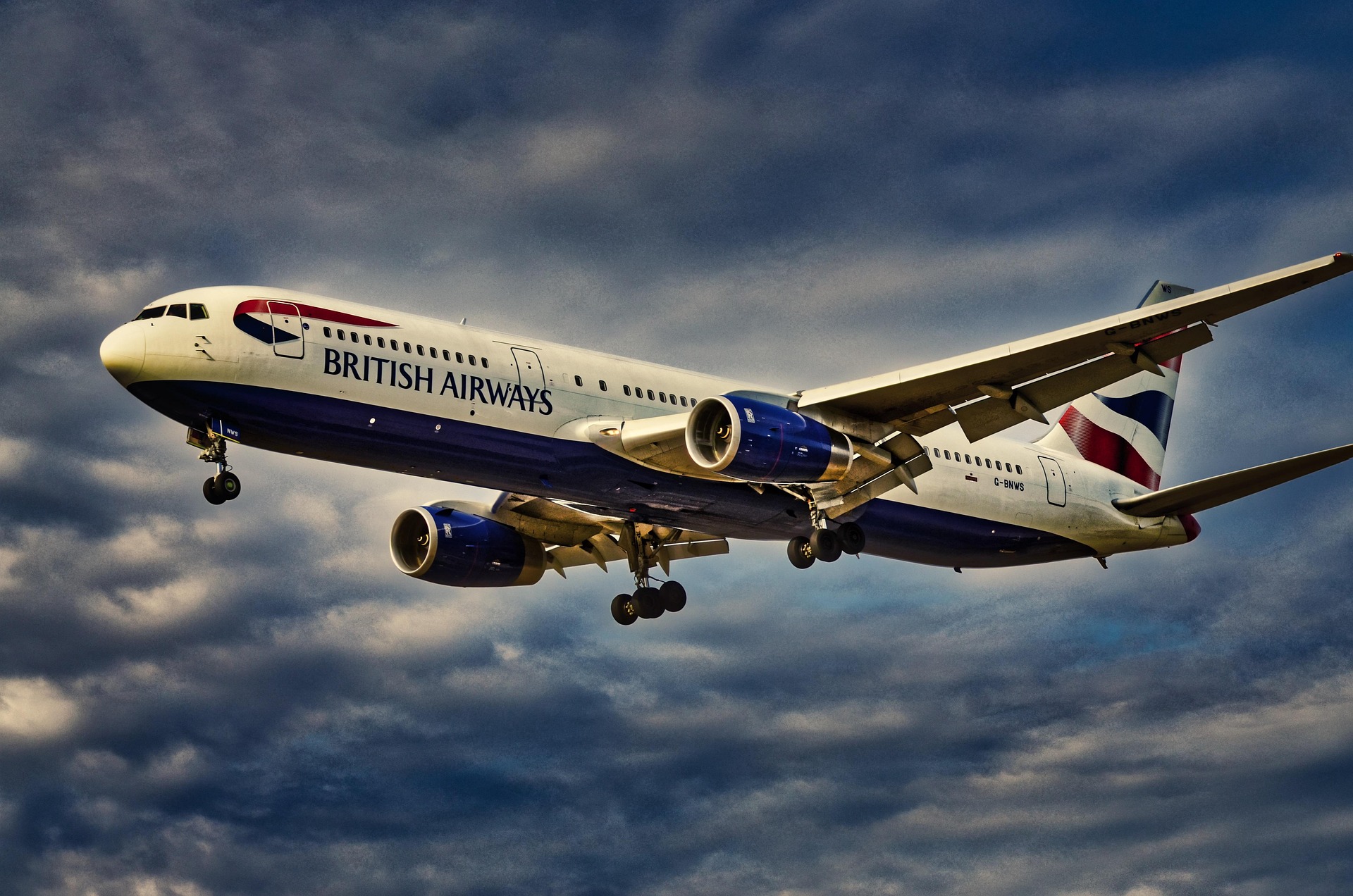
British Airways (IATA code: BA) is the United Kingdom’s flag carrier and one of the world’s leading international airlines. Headquartered in London, the airline operates a global network connecting the UK with major cities across six continents.
As a founding member of the Oneworld alliance, British Airways leverages partnerships with global carriers to extend its reach beyond its own routes. The airline serves both business and leisure travelers, offering a mix of short-haul European flights and long-haul intercontinental helps.
History & Milestones
British Airways has a long and storied history reflecting its evolution from regional carriers into a global airline.
- 1919–1930s: Early Aviation Roots — Formed through mergers of smaller UK airlines such as Aircraft Transport and Travel, and Imperial Airways, the foundation for a national carrier was established.
- 1974: Creation of British Airways — Following the merger of British Overseas Airways Corporation (BOAC) and British European Airways (BEA), British Airways was formally established as the UK’s flagship airline.
- 1980s–1990s: Privatization and Expansion — British Airways became fully privatized in 1987, expanding its international routes and modernizing its fleet with wide-body aircraft like the Boeing 747.
- 2000s: Global Network & Alliance Integration — Joined Oneworld alliance, enabling code-shares and joint ventures with international carriers. The airline introduced the Airbus A380 and Boeing 777 to modernize long-haul operations.
- Modern Era: Fleet Renewal & Premium Service — Continuing modernization with Airbus A350, A380 (until 2021 retirement), and Boeing 787 Dreamliners, plus digital innovations and loyalty program enhancements.
Network, Hubs & Global Reach
British Airways operates an extensive global network with its primary hub at London Heathrow (LHR).
Hubs and Key Airports
- London Heathrow Airport (LHR) — main hub for long-haul and European flights.
- London Gatwick Airport (LGW) — secondary hub focusing on leisure and low-cost routes.
- Other Bases — Some short-haul operations from Manchester, Birmingham, and Glasgow.
Destinations & Global Reach
- Serves over 180 destinations worldwide, including North America, South America, Europe, Asia, Africa, and the Middle East.
- Extensive code-share and alliance partnerships allow connectivity to hundreds more destinations through Oneworld.
- Mix of short-haul European flights and long-haul intercontinental routes caters to both business and leisure travelers.
Business Model & Corporate Stats
British Airways combines legacy airline operations with premium help offerings and global alliances.
- Fleet: Wide-body aircraft for long-haul routes (Boeing 777, 787 Dreamliner, Airbus A350) and narrow-body aircraft for short-haul European routes (A320 family).
- Employees: Approximately 42,000 staff worldwide.
- Flights: Operates hundreds of daily flights across its global network.
- Revenue Streams: Passenger helps, cargo operations, premium cabin offerings, and loyalty program benefits (Avios points).
Passenger Experience: Services, Classes & Fleet
British Airways offers a range of helps tailored to different traveler segments.
Cabin Classes
- First Class — luxury help on long-haul flights, with lie-flat beds, exclusive lounges, and personalized help.
- Business / Club World — lie-flat or angled seats on long-haul aircraft, priority boarding, and lounge access.
- Premium Economy / World Traveller Plus — extra legroom, enhanced help, and dedicated cabin.
- Economy / World Traveller — standard seating with optional upgrades and in-flight amenities.
Fleet & Modernization
- Long-Haul: Airbus A350, Boeing 777, Boeing 787 Dreamliner.
- Short-Haul: Airbus A320 family aircraft for European flights.
- Modernization enhances fuel efficiency, comfort, and environmental sustainability.
What Sets British Airways Apart: Strengths & Strategic Advantages
- Global Legacy Carrier — strong brand recognition and extensive history of international help.
- Oneworld Alliance Membership — allows extensive connectivity with partner airlines.
- Premium Cabin Offering — multiple help levels from Economy to First Class.
- Fleet Modernization — latest generation aircraft provide efficiency, comfort, and reliability.
- London Heathrow Hub — one of the world’s busiest international airports enables excellent connectivity.
Challenges & External Pressures
- Intense Competition — from low-cost European carriers, U.S. airlines, and Middle Eastern carriers.
- Environmental Pressure — emissions regulations and sustainability requirements necessitate fleet upgrades.
- Operational Complexity — managing both short-haul European flights and long-haul intercontinental helps requires operational flexibility.
- Economic & Geopolitical Uncertainty — currency fluctuations, travel restrictions, and global events impact passenger demand.
Practical Advice: What Travelers Should Know When Flying British Airways
- Check Your Hub Airport — Heathrow offers extensive connections; Gatwick focuses on leisure and secondary routes.
- Choose Cabin Wisely — long-haul travelers benefit from Club World or First Class; premium economy provides comfort at a mid-tier price.
- Leverage Oneworld Partners — for global connectivity beyond BA-operated routes.
- Book Early for Popular Routes — particularly transatlantic flights during peak travel seasons.
- Consider Frequent Flyer Program — Avios points provide redemption opportunities and status benefits across Oneworld airlines.