Overview
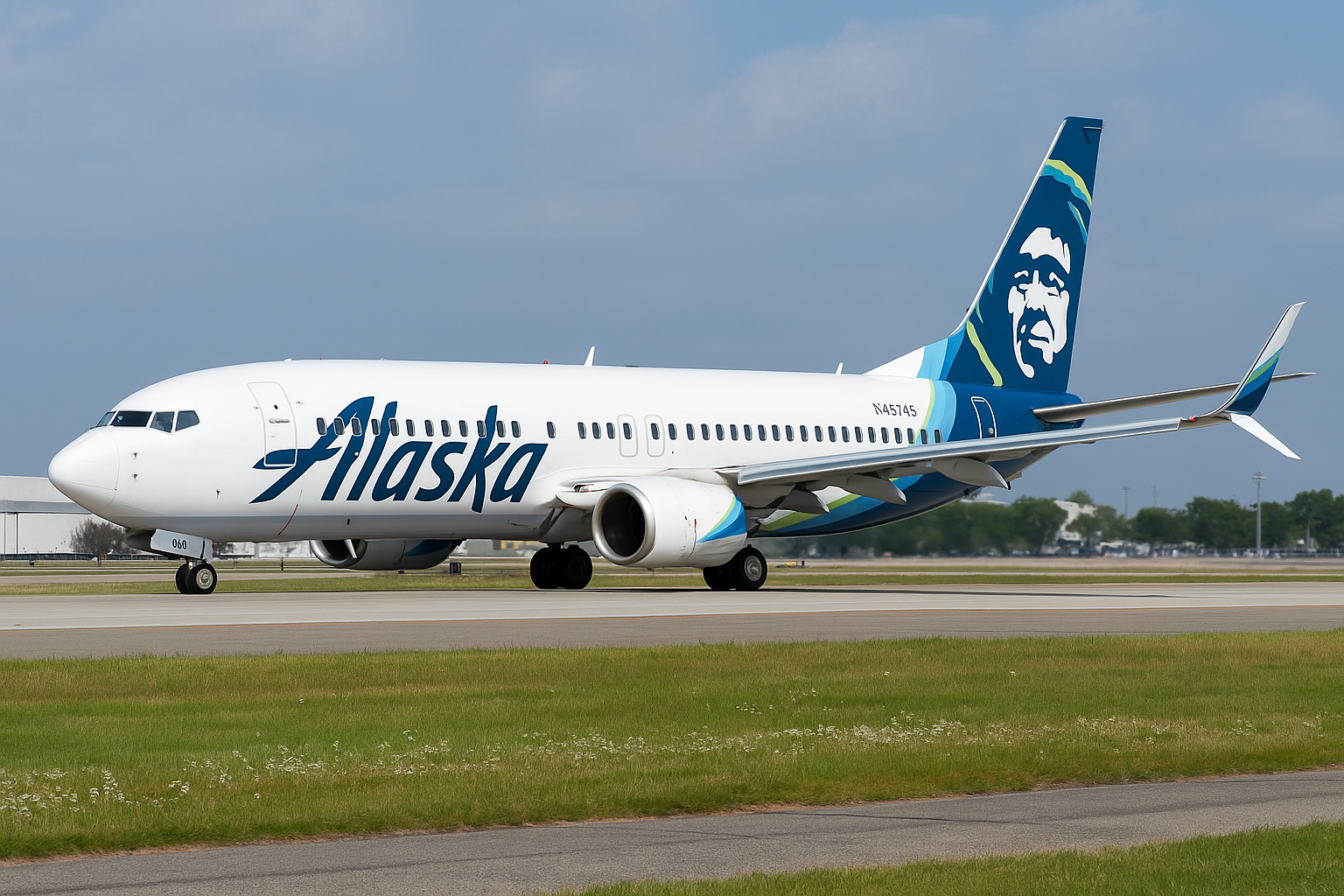
Alaska Airlines (IATA code: AS) is a major U.S.-based airline headquartered in SeaTac, Washington. Known for its strong West Coast presence and exceptional customer help, Alaska Airlines has grown from a small regional carrier into a major player in U.S. aviation, combining domestic coverage with growing international operations.
Alaska Airlines operates flights across the United States, Canada, Mexico, Costa Rica, and other destinations, and is a member of the Oneworld alliance, providing passengers with extended global connectivity.
History & Milestones
Alaska Airlines’ journey illustrates its growth from regional roots to a modern airline.
- 1932–1940s: Early beginnings — Founded as McGee Airways in 1932, the airline served Alaska’s remote communities. It later merged with other small carriers and adopted the name Alaska Airlines.
- 1950s–1960s: Expansion & innovation — Alaska Airlines introduced turboprop aircraft and expanded its network along the West Coast and into Alaska, improving connectivity in remote regions.
- 1970s–1980s: Jet age & fleet modernization — Transitioned to jet aircraft such as the Boeing 727 and 737, connecting major U.S. cities to Alaska and beyond.
- 2000s: Focused growth & acquisitions — Acquired regional carriers such as Horizon Air and WestAir, expanding its domestic network. Introduced frequent-flyer program “Mileage Plan” enhancements.
- 2016: Acquisition of Virgin America — The merger added a strong California network, modern fleet, and enhanced West Coast presence, completing integration by 2018.
- Modern Era: Oneworld membership & fleet modernization — In 2021, Alaska Airlines joined the Oneworld alliance, enhancing international connectivity, and continues to modernize its fleet with newer Boeing 737 variants for efficiency and comfort.
Network, Hubs & Global Reach
Alaska Airlines focuses on West Coast dominance while providing national and limited international helps.
Major Hubs
- Seattle–Tacoma International Airport (SEA) — main hub, connecting West Coast and national routes.
- Los Angeles International Airport (LAX) — West Coast and transcontinental connections hub.
- San Francisco International Airport (SFO) — key hub for California network.
- Portland International Airport (PDX) — secondary West Coast hub supporting regional connectivity.
Destinations & Reach
- Alaska Airlines operates over 115 destinations in the United States, Canada, Mexico, and Costa Rica.
- Its merger with Virgin America strengthened West Coast coverage and expanded help to transcontinental U.S. routes.
- Through Oneworld alliance partnerships, Alaska Airlines provides connections to Europe, Asia, Australia, and other continents, expanding its global reach beyond its own fleet.
Business Model & Corporate Stats
Alaska Airlines blends regional strengths with modern fleet, strategic partnerships, and loyalty programs.
- Flights: Operates hundreds of daily flights across the West Coast and nationwide.
- Fleet: Modern fleet of Boeing 737 Next Generation and 737 MAX 9/8 aircraft; focus on fuel efficiency and passenger comfort.
- Employees: Around 23,000 employees as of 2024, emphasizing operational reliability and customer help excellence.
- Loyalty & Partnerships: “Mileage Plan” rewards frequent flyers, and Oneworld membership enhances global connectivity.
Passenger Experience: Services, Classes & Fleet
Alaska Airlines offers flexible helps to accommodate different passenger preferences.
Cabin Classes
- First Class — premium cabin on mainline flights offering priority boarding, enhanced seating, and complimentary meals on longer flights.
- Premium Class — extra legroom seating in the front of the main cabin.
- Main Cabin / Economy — standard help with options for upgrades to Premium Class.
- Saver Fares / Basic Economy — budget-conscious options with fewer amenities and restricted changes.
Fleet & Modernization
- Boeing 737-700, 737-800, 737-900, and 737 MAX variants.
- Newer aircraft provide fuel efficiency, reduced maintenance costs, and enhanced passenger comfort.
- Regional flights are operated by Horizon Air with smaller turboprops and regional jets.
What Sets Alaska Airlines Apart: Strengths & Strategic Advantages
- West Coast Dominance — strong presence in Seattle, Portland, Los Angeles, and San Francisco.
- Exceptional Customer Service — consistently recognized for high satisfaction ratings among U.S. carriers.
- Modern & Efficient Fleet — focused on fuel-efficient Boeing 737 aircraft, reducing environmental impact and operating costs.
- Loyalty Program & Oneworld Membership — Mileage Plan and alliance membership provide flexibility and global reach.
- Integration of Virgin America — added premium help, West Coast routes, and modern fleet benefits.
Challenges & External Pressures
- Competition — faces rivalry from legacy carriers and low-cost airlines on West Coast and national routes.
- Fuel & Operational Costs — like all airlines, fuel price volatility and fleet maintenance affect profitability.
- Network Expansion Limitations — as a primarily West Coast carrier, international reach relies on alliances rather than extensive own-operated long-haul flights.
- Environmental Regulations — adapting fleet and operations to meet sustainability and emissions standards.
Practical Advice: What Travelers Should Know When Flying Alaska Airlines
- Use Hub Airports for Connections — Seattle, Los Angeles, and San Francisco hubs offer the widest routing options.
- Check Cabin Options — Premium Class offers extra legroom; First Class is ideal for long domestic or short international flights.
- Leverage Mileage Plan — frequent flyers can maximize benefits including partner airline redemptions globally.
- Regional vs Mainline Flights — some routes are operated by Horizon Air (regional jets or turboprops), which differ in seat space and amenities.
- Oneworld Membership — for international travel, use alliance connections to reach destinations outside Alaska’s own network.