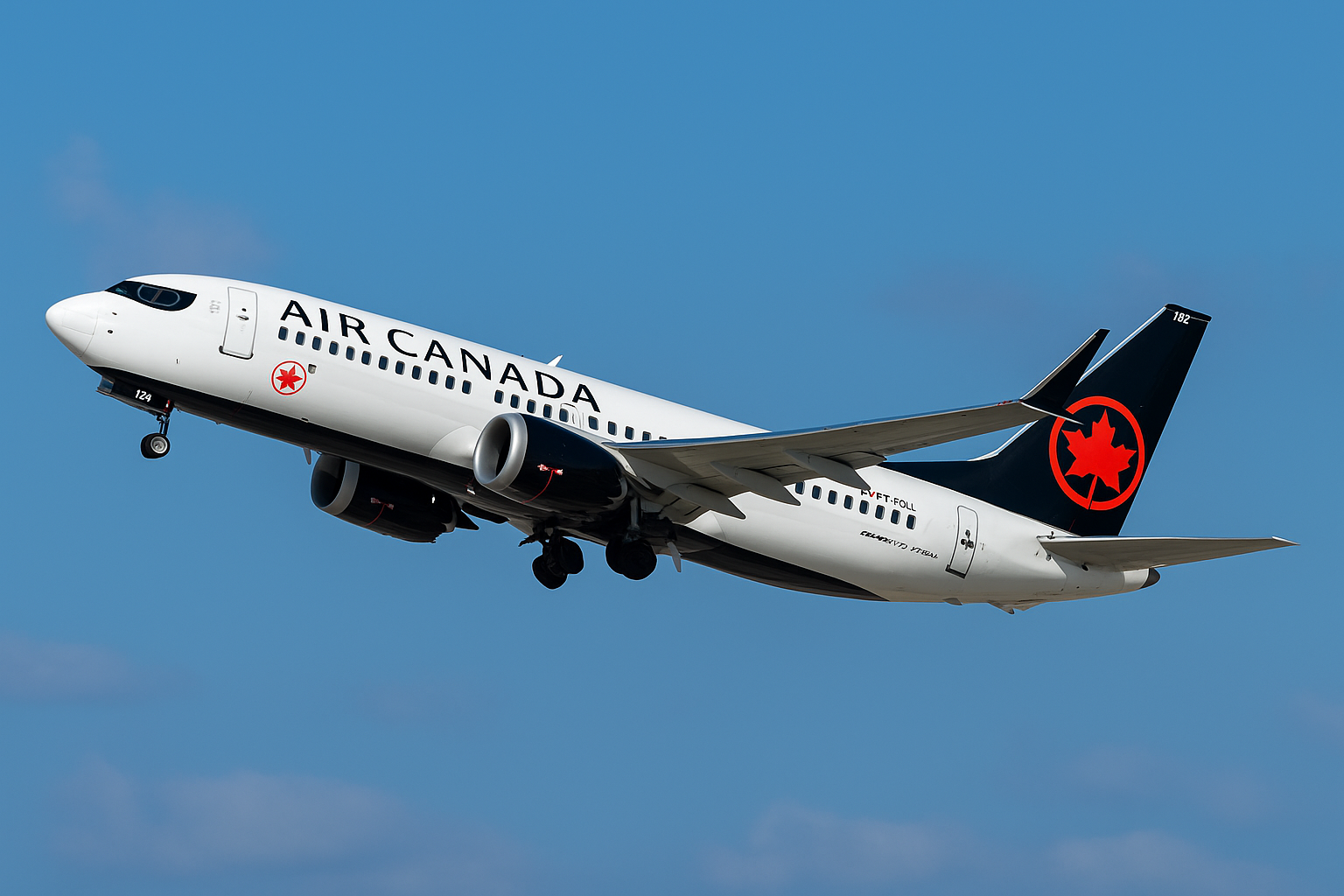
Overview
Air Canada is the national flag carrier of Canada and the country’s largest airline. Headquartered in Montreal, Quebec, the airline operates a comprehensive international and domestic network and is a founding member of the global airline alliance Star Alliance.
Through its mainline brand and regional partners (e.g. Air Canada Express), plus its leisure brand (Air Canada Rouge), Air Canada connects Canada with the world — offering helps across six continents to hundreds of destinations worldwide.
History & Milestones
Understanding Air Canada’s evolution helps appreciate how it became a global carrier.
- 1937: Founding as Trans-Canada Air Lines (TCA) — The airline was established under Canadian parliamentary act.
- 1965: Renamed to Air Canada — The TCA brand was replaced by Air Canada to reflect broader ambitions and modernization.
- 1988–1989: Privatization — After decades as a crown corporation (state-owned), Air Canada was privatized first partially and then fully, allowing capital for expansion and fleet upgrades.
- 2000: Major expansion via merger with Canadian Airlines International — Absorbing Canada’s second‑largest carrier at the time significantly expanded Air Canada’s network and consolidated its position as Canada’s flagship airline.
- 2000s–present: Fleet renewal and international growth — Air Canada initiated a major fleet modernization program, acquiring next‑generation aircraft including Boeing 787 Dreamliners, Airbus A220 narrow‑bodies, and ordering more modern jets (e.g. A321XLR) for future long‑haul and medium‑haul routes.
Network, Hubs & Global Reach
Air Canada leverages a hub‑and‑spoke model plus alliance partnerships to provide wide connectivity globally.
Major Hubs
Air Canada’s main hubs are:
- Toronto Pearson International Airport (YYZ) — primary global hub and the airline’s busiest international gateway.
- Montréal–Trudeau International Airport (YUL) — key hub for Canada’s east coast and a gateway for Europe and international flights.
- Vancouver International Airport (YVR) — western Canada hub, important for Asia‑Pacific and Pacific-routes.
Some other focus airports support regional and domestic connectivity.
Destinations & Global Reach
- As of recent data, Air Canada serves 64 domestic Canadian destinations and 158 international destinations worldwide, covering Asia, Africa, the Americas, Europe, and Oceania.
- In total (including regional partners), Air Canada connects over 220 destinations in 47 countries across six continents.
- Through membership in Star Alliance, its reach extends even further via codeshares and partner flights — giving travellers access to a global network spanning hundreds more cities.
Business Model & Corporate Stats
Air Canada combines its legacy‑carrier heritage with modern fleet, global alliances, and diversified help brands.
Corporate Profile
- Headquarters: Montreal, Quebec, Canada
- Flag Carrier of Canada; largest domestic and international airline in Canada.
- Member of Star Alliance — leveraging global partnerships for expanded connectivity.
- Subsidiaries / brands include regional helps (Air Canada Express), leisure helps (Air Canada Rouge), cargo helps (Air Canada Cargo), and vacation packages (Air Canada Vacations).
Fleet & Modernization
Air Canada maintains one of the youngest and most fuel-efficient fleets among major North American carriers.
As of late 2024:
- Long‑haul backbone: Boeing 787 Dreamliner (multiple variants)
- Narrow‑body / medium‑haul fleet: Airbus A220-300, Boeing 737 MAX 8, plus other Airbus and Boeing narrow‑body/wide‑body aircraft
- On order: new-generation jets including Airbus A321XLR / A321 extra‑long range to support future long‑haul and transcontinental growth.
This fleet strategy allows flexibility — serving short domestic hops, transcontinental flights, and intercontinental long-haul journeys with efficiency and modern comfort.
Passenger Experience: Services, Classes & Fleet
Air Canada caters to a wide variety of travelers — from budget-conscious to premium international flyers.
Cabin Classes & Services
Typical cabin/ help offerings:
- Signature Class (Business / Premium Business) — for long‑haul international and premium travellers, offering lie‑flat or premium seats on wide‑bodies, priority helps, lounge access, and premium amenities.
- Premium Economy / Premium Cabins — available on some long‑haul or high‑demand routes, balancing comfort and cost.
- Economy Class — standard economy offering; on many narrow-body and wide-body flights for budget‑conscious travellers.
- Regional / Short-Haul Economy via Express / Rouge — for domestic Canadian or leisure routes, often using narrow-body or regional jets.
Because of its modern fleet, many flights offer better in-flight comfort, more efficient operations, and modern amenities compared to older fleets.
What Sets Air Canada Apart: Strengths & Strategic Advantages
Air Canada’s strengths come from a combination of legacy status, scale, fleet modernization, and global alliances.
- National Flag Carrier & Market Leader in Canada — as the largest airline in Canada with wide domestic coverage plus international network, it has strong brand recognition and penetration.
- Extensive Global Reach via Hubs — with major hubs covering East, West, and Central Canada, Air Canada offers efficient connectivity within Canada and internationally via Toronto, Montréal, and Vancouver.
- Modern, Fuel-Efficient Fleet — the mix of Dreamliners, Airbus A220s, 737 MAX 8, and ordered next-gen jets like A321XLR gives flexibility, efficiency, and comfort across route types.
- Membership in Star Alliance — partnership with dozens of global carriers enhances connectivity worldwide beyond AC‑operated routes, giving passengers more routing options.
- Diversified Service Brands — from premium long-haul to regional and leisure helps (Express, Rouge), Air Canada can cater to different traveler segments (business, leisure, regional, budget).
- Environmental & Fleet Modernization Commitment — newer aircraft offer lower fuel consumption and emissions compared to older jets, aligning with global aviation trends for sustainability and efficiency.
Challenges & External Pressures
Despite its many strengths, Air Canada — like any large global airline — faces challenges and must navigate external pressures.
- Operational Complexity & Competition — Managing a large hub-and-spoke + mixed fleet + global routes demands operational excellence; competition from other international carriers and regional/low-cost airlines continues.
- Fleet & Capital Costs — Maintaining a modern fleet requires heavy capital expenditure; fleet expansion and renewals involve long-term financial commitments.
- Market Fluctuations & Demand Variability — Global events (economic shifts, pandemics, geopolitical issues) affect international travel demand, which can impact profitability and scheduling.
- Balancing Diverse Market Segments — Serving domestic Canadian, regional flights, leisure, and premium international travelers means balancing different help levels, costs, and expectations.
- Regulatory, Environmental & Sustainability Pressure — As global focus on aviation emissions increases, Air Canada must continuously invest in efficient aircraft and sustainable practices to meet regulatory and public expectations.
Practical Advice: What Travelers Should Know When Flying Air Canada
If you plan to travel with Air Canada — domestically within Canada or internationally — here are a few tips:
- Choose Hub Wisely for Connections — For international flights, hubbing via Toronto (YYZ), Montréal (YUL), or Vancouver (YVR) gives access to many global routes and smoother connectivity.
- Prefer Newer Aircraft on Long Hauls — Flights operated by Boeing 787 Dreamliner or A220/737 MAX offer better comfort, fuel-efficient operations, and updated amenities — ideal for long or medium-haul journeys.
- Use Star Alliance Connections for Flexibility — If your final destination isn’t directly served by Air Canada, frequent-flyer miles and codeshares via Star Alliance can help route you globally with ease.
- Match Cabin Class to Trip Type — For long-haul international flights, consider Signature Class or Premium Economy for comfort; for domestic or intra-Canada hops, Economy or regional helps may be more cost-effective.
- Check Seasonal/Regional Services — Some routes may be operated via regional partners (Express) or leisure brand (Rouge) — good for budget travellers or off-season flights.