Overview
Spirit Airlines (IATA code: NK) is one of the United States’ leading ultra–low-cost carriers (ULCCs). Based in Miramar, Florida, Spirit is known for its bare-fare model, offering extremely low base ticket prices while allowing passengers to pay only for the extras they choose.
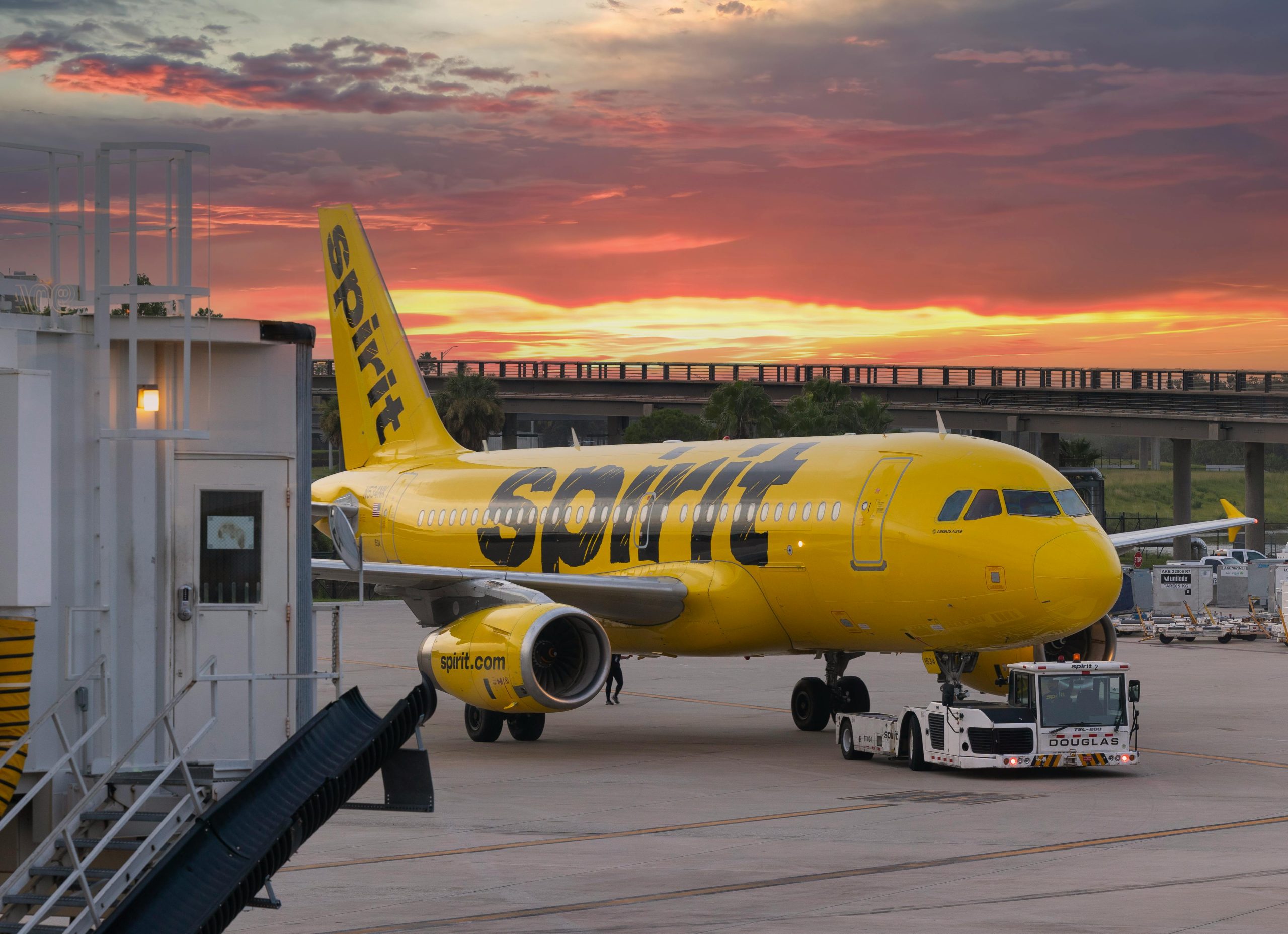
With its bright yellow aircraft livery and “Bare Fare” branding, Spirit focuses on budget travelers who value affordability and flexibility over full-help amenities. Over the years, it has become one of the fastest-growing airlines in the U.S., especially on domestic routes and leisure destinations.
History & Milestones
Spirit Airlines has evolved from a small charter company into a major ultra-low-cost airline.
1980s: Early Beginnings
- Started in 1983 as Charter One, operating charter flights mainly from Detroit and the Midwest.
- Initially focused on vacation packages and charter helps.
1990s: Transition to Scheduled Service
- Renamed Spirit Airlines in 1992.
- Began scheduled passenger help across eastern U.S. cities.
- Expanded into Florida and Caribbean leisure destinations.
2000s: Adoption of the ULCC Model
- Shifted to a full ultra–low-cost structure.
- Launched unbundled fares, charging separately for bags, seat assignments, and onboard helps.
- Significant network expansion to Latin America and Caribbean destinations.
2010s–Present: Growth & Modernization
- Became one of the most recognizable ULCC brands in the U.S.
- Modernized its fleet with new Airbus A320 family aircraft.
- Improved customer satisfaction initiatives, operational reliability, and digital experience.
- Attempted mergers (including the recent JetBlue acquisition attempt), which influenced strategic direction.
Network, Hubs & Global Reach
Spirit’s network is built for high-volume, point-to-point travel.
Primary Operating Bases
Spirit uses focused operational hubs rather than traditional legacy airline hubs. Major bases include:
- Fort Lauderdale (FLL) – key gateway to Caribbean & Latin America
- Orlando (MCO) – major leisure hub
- Las Vegas (LAS) – western U.S. base
- Detroit (DTW) – midwest operations
- Chicago O’Hare (ORD)
- Dallas/Fort Worth (DFW)
- Atlantic City (ACY) – smaller but historically important base
Network Reach
Spirit serves 70+ destinations including:
- Major U.S. cities
- Popular Florida vacation routes
- Caribbean islands
- Mexico & Latin America leisure markets
The airline focuses on point-to-point, high-demand leisure routes and competitive trunk markets.
Business Model & Corporate Stats
Spirit’s ULCC model is built on simplicity, efficiency, and high aircraft utilization.
- Fleet: Over 200 Airbus A320 family aircraft (A319, A320, A321).
- Employees: Approximately 12,000+.
- Daily Flights: 500+ on peak periods.
- Cost Structure: One of the lowest unit costs among North American airlines.
Revenue Model
Spirit keeps ticket prices low by unbundling:
- Carry-on bags
- Checked bags
- Seat selection
- Airport check-in
- Food & beverages
- Priority boarding
This allows travelers to pay only for what they use, a core principle of ULCC operations.
Passenger Experience: Services, Classes & Fleet
While Spirit’s model focuses on low cost, it offers specific products designed to enhance passenger comfort for those who choose to upgrade.
Cabin Products
Big Front Seat
- Large reclining seat similar to domestic First Class
- Sold as an upgrade on select aircraft
- No additional perks beyond seating
Standard Economy
- Slimline seating
- Basic legroom
- Optional paid seat assignments
Bare Fare
- Lowest fare tier
- No extras included (bags, meals, changes cost extra)
Onboard Service
- Fully buy-on-board menu
- No complimentary drinks or snacks
- Digital entertainment accessible via personal devices (on select flights)
Fleet & Modernization
- Spirit operates one of the youngest fleets in the U.S.
- Airbus A320neo variants help reduce fuel burn and emissions.
- Standardized fleet lowers maintenance and training costs.
What Sets Spirit Apart: Strengths & Strategic Advantages
- Extremely Low Base Fares — among the cheapest in the U.S.
- Customization — passengers only pay for the helps they want.
- Young, Efficient Fleet — lower fuel costs and better reliability.
- High Aircraft Utilization — keeps operating costs down.
- Strong Leisure Market Position — dominant in Florida, Caribbean, Las Vegas routes.
- Improving On-Time Performance — recent initiatives enhanced reliability.
Challenges & External Pressures
1. Customer Perception
- ULCC model can confuse new travelers who expect traditional amenities.
- Fees for bags and changes may lead to mixed reviews.
2. Competitive ULCC Market
- Fierce competition from Frontier, Allegiant, Southwest, and emerging low-cost players.
3. Operational Sensitivity
- Point-to-point ULCCs are more vulnerable to:
- Weather delays
- Crew shortages
- Airport congestion
4. Merger Uncertainty
- Ongoing industry consolidation pressures may affect long-term strategy.
Practical Advice: Tips for Travelers Flying Spirit
- Buy Bags in Advance — baggage prices are significantly cheaper online than at the airport.
- Consider the Big Front Seat — great value compared to legacy airline First Class.
- Understand the ULCC Model — everything beyond the seat costs extra.
- Check Airport Fees — Spirit charges for counter check-in; use mobile check-in if possible.
- Arrive Early — ULCCs have tight schedules; missed flights typically aren’t rebooked for free.
- Bundle Smartly — Spirit offers money-saving combos for bags + seats + boarding priority.