Overview
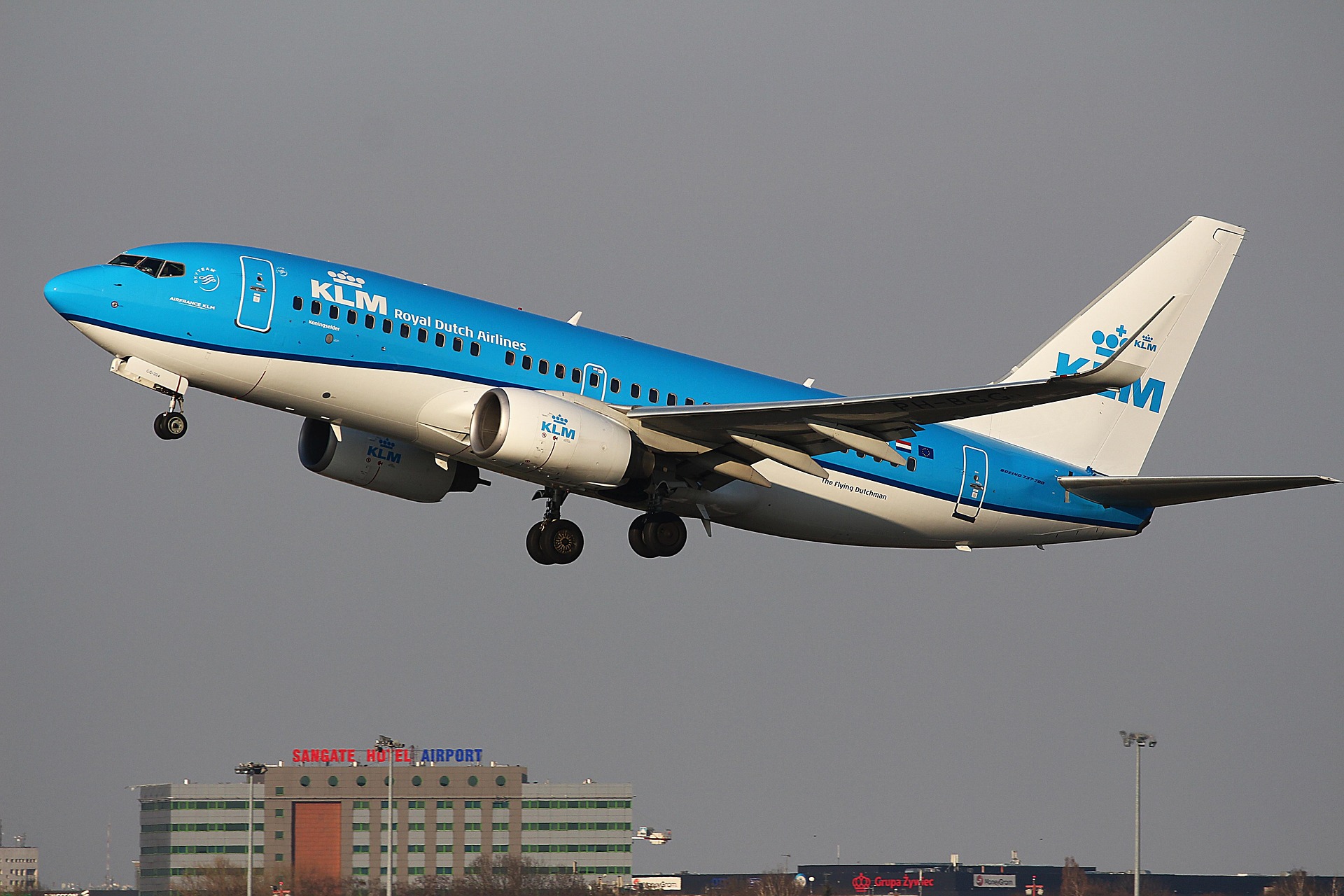
KLM Royal Dutch Airlines (IATA code: KL) is the flag carrier of the Netherlands and the oldest airline in the world still operating under its original name. Known for reliability, European hospitality, and strong international connectivity, KLM has built a global reputation for operational efficiency and customer help.
Headquartered in Amstelveen and operating from its primary hub at Amsterdam Schiphol Airport (AMS), KLM serves hundreds of destinations worldwide. It is recognized for its distinctive blue livery, Dutch-inspired help, and long-standing membership in the SkyTeam alliance.
History & Milestones
KLM’s legacy is one of the strongest in global aviation history.
1919: Founding & Early Legacy
- Established on 7 October 1919, making it the world’s oldest airline still operating under its initial name.
- Began early European flights and rapidly expanded routes in the 1920s and 1930s.
- Became one of the pioneers of long-haul international travel.
Post-War Expansion
- After World War II, KLM rebuilt operations and focused on connecting Europe with Asia, Africa, and the Americas.
- Invested heavily in new long-range aircraft, helping position Amsterdam as a major European gateway.
Modern Era: Alliances & Mergers
- In 2004, KLM merged with Air France to form the Air France–KLM Group, one of the world’s largest airline companies.
- Continued operating under its own brand and identity.
- KLM became a key member of the SkyTeam alliance, expanding global partnerships and connectivity.
Recent Developments
- Fleet modernization with Boeing 787 Dreamliners and next-generation aircraft.
- Digital innovation across booking, check-in, and customer help.
- Commitment to sustainability initiatives, including biofuel testing and eco-efficient operations.
Network, Hubs & Global Reach
Primary Hub
- Amsterdam Schiphol Airport (AMS)
One of Europe’s busiest and most efficient hubs, known for smooth connections and extensive long-haul offerings.
Global Network
KLM serves over 170 destinations across:
- Europe
- Asia
- Africa
- Middle East
- North America
- South America
- The Caribbean
Strengths in Connectivity
- Strong European short-haul network feeding long-haul flights.
- Excellent connections to Africa and South America due to historical ties and strategic partnerships.
- Seamless connectivity through SkyTeam partners, including Delta, Air France, and others.
Business Model & Corporate Stats
KLM operates with a hybrid legacy-carrier model focused on operational efficiency and global reach.
- Fleet Size: Over 110 aircraft (Boeing 777, 787, Airbus A330, Embraer E-jets operated by KLM Cityhopper).
- Employees: 30,000+ staff worldwide.
- Group Presence: Part of the Air France–KLM Group.
- Daily Flights: Hundreds of departures connecting Europe with global destinations.
- Brand Focus: Safety, punctuality, reliability, and a warm Dutch-inspired passenger experience.
Revenue & Operations Include:
- Passenger flights
- KLM Cargo
- KLM Engineering & Maintenance
- Loyalty program (Flying Blue)
- Code-share and alliance partnerships
Passenger Experience: Services, Classes & Fleet
KLM is known for comfortable cabins, friendly help, and reliable operations.
Cabin Classes
World Business Class
- Lie-flat beds
- Premium menus with Dutch culinary influence
- Priority boarding and lounge access
Premium Comfort Class (newer cabin)
- Extra legroom
- Enhanced meals
- Wider seats and improved recline
Economy Comfort
- More legroom than standard economy
- Priority seat zones
Economy Class
- Complimentary meals and drinks
- Personalized help
- Seat-back entertainment on most long-haul aircraft
Fleet & Modernization
KLM is investing heavily in next-generation aircraft to reduce fuel usage and improve passenger experience.
Key Aircraft Include:
- Boeing 787 Dreamliner
- Boeing 777-200ER / 777-300ER
- Airbus A330
- Embraer regional jets (Cityhopper)
Fleet goals focus on:
- Lower emissions
- Increased comfort
- Greater operational efficiency
What Sets KLM Apart: Strengths & Strategic Advantages
- Oldest Operating Airline — unmatched heritage and trust.
- Amsterdam Hub Advantage — one of Europe’s most efficient transit airports.
- Strong Africa & South America Reach — historical connections and strong demand.
- Friendly, Service-Oriented Staff — Dutch hospitality at the core of its brand.
- Extensive Partnerships — SkyTeam + Air France–KLM synergy boosts global flexibility.
- Sustainability Leadership — early adopter of biofuels and eco-initiatives.
- Consistent Reliability & On-Time Performance — a key reason for its strong reputation.
Challenges & External Pressures
Even with its long-standing reputation, KLM faces industry challenges:
1. Environmental Regulations
- Stricter emissions rules in Europe require fleet modernization and operational changes.
2. Competitive European Market
- Competes with Lufthansa, British Airways, Air France, Turkish Airlines, and global carriers.
3. Airport Congestion
- Schiphol’s capacity constraints affect scheduling and operational flexibility.
4. Economic & Fuel Volatility
- As a global carrier, KLM is sensitive to fluctuating fuel prices and global economic cycles.
Practical Advice: What Travelers Should Know When Flying KLM
- Amsterdam Schiphol is extremely transit-friendly, making KLM ideal for connecting itineraries.
- Consider Premium Comfort or Economy Comfort for affordable extra comfort on long-haul flights.
- Flying Blue loyalty program offers strong reward opportunities with both KLM and Air France.
- Book early for popular routes, especially long-hauls to the Americas, Africa, and Asia.
- Expect warm and efficient Dutch-inspired hospitality, consistently praised by travelers.