Overview
Air France (IATA code: AF) is the flag carrier of France and one of Europe’s most prominent airlines. Headquartered in Tremblay-en-France near Paris, the airline operates a global network of domestic, European, and intercontinental flights.
Air France is a founding member of the SkyTeam airline alliance and, through its mainline helps, regional affiliates (HOP!), and low-cost brand (Transavia France), connects Europe with the Americas, Africa, Asia, and beyond.
History & Milestones
Air France’s rich history demonstrates its transformation from a European carrier to a global airline.
- 1933: Formation — Air France was created through a merger of several smaller French airlines, consolidating domestic and colonial routes.
- 1945–1950s: Post-war growth — Expanded fleet and routes following World War II, introducing international passenger helps to Africa and the Americas.
- 1950s–1960s: Jet Age adoption — Introduced jet aircraft such as the Sud Aviation Caravelle and Douglas DC-8, modernizing long-haul operations.
- 1990s: International alliances — Became a founding member of SkyTeam (2000), enhancing global connectivity through joint ventures and code-share agreements.
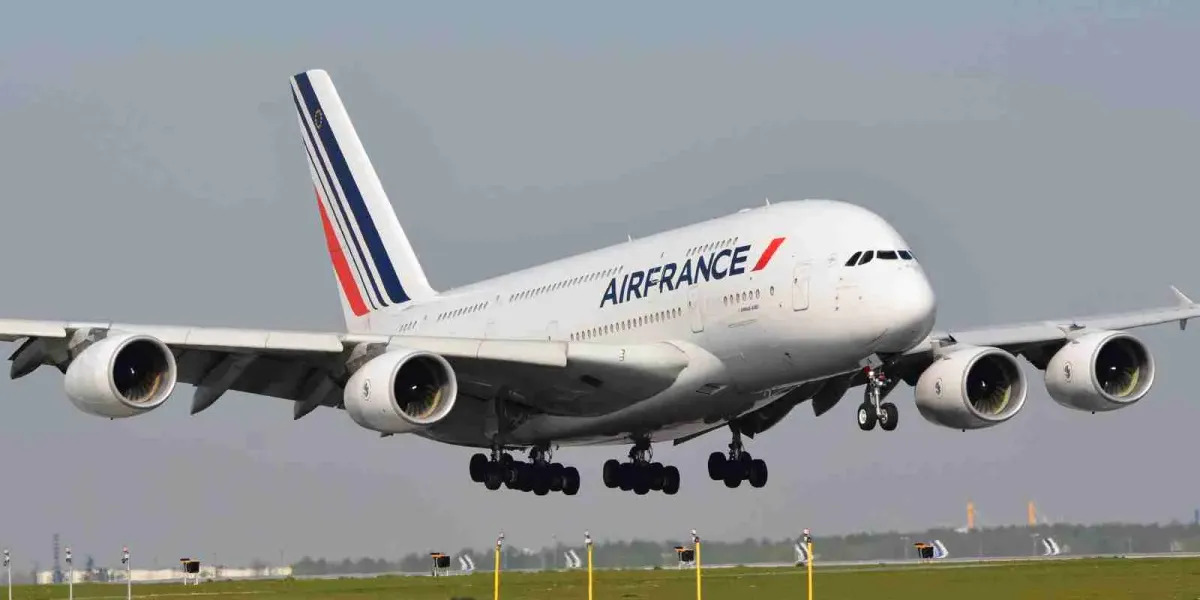
- 2004–present: Mergers & modernization — Merged with KLM in 2004, forming Air France-KLM Group, one of the world’s largest airline groups. Fleet renewal programs introduced Airbus A380, A350, and Boeing 787 Dreamliners for long-haul efficiency and passenger comfort.
Network, Hubs & Global Reach
Air France leverages strategic hubs and alliances to provide extensive global connectivity.
Major Hubs
- Charles de Gaulle Airport (CDG), Paris — Primary hub for international and long-haul flights.
- Orly Airport (ORY), Paris — Secondary hub for European and domestic helps.
- Regional Airports — Supported by HOP! for domestic and short-haul routes.
Destinations & Global Reach
- Serves over 200 destinations worldwide across Europe, the Americas, Asia, Africa, and Oceania.
- Access to hundreds more destinations via SkyTeam alliance partners.
- Operates both mainline international flights and regional connections through HOP! and Transavia France for low-cost leisure travel.
Business Model & Corporate Stats
Air France combines legacy airline strengths with modern fleet, alliances, and diversified helps.
Corporate Profile
- Headquarters: Tremblay-en-France, Paris, France
- Member of SkyTeam alliance, leveraging global partnerships.
- Part of Air France-KLM Group, enhancing global market reach and operational efficiency.
- Offers mainline, regional (HOP!), and leisure (Transavia) helps.
Fleet & Modernization
- Long-haul aircraft: Airbus A350, A380, Boeing 777, Boeing 787
- Medium-haul aircraft: Airbus A320 family
- Fleet modernization reduces fuel consumption, emissions, and maintenance costs, while improving passenger comfort.
Passenger Experience: Services, Classes & Fleet
Air France offers a variety of onboard products to meet diverse traveler needs.
Cabin Classes & Services
- La Première (First Class) — Long-haul luxury with lie-flat seats, gourmet meals, exclusive lounges.
- Business Class — Premium seating and helps on intercontinental flights.
- Premium Economy — Extra legroom, enhanced meals, and amenities.
- Economy Class — Standard economy, with some flights offering extra comfort options.
- Regional / Low-Cost Economy (HOP! / Transavia) — Domestic and leisure-focused budget travel options.
Modern aircraft offer in-flight entertainment, Wi-Fi, and upgraded passenger comfort, particularly on long-haul flights.
What Sets Air France Apart: Strengths & Strategic Advantages
- European Flag Carrier & Legacy Strength — Strong brand reputation and extensive domestic, European, and intercontinental reach.
- SkyTeam Alliance Membership — Broadens connectivity worldwide through codeshares and partnerships.
- Modern Fleet — New-generation aircraft improve comfort, fuel efficiency, and environmental performance.
- Multiple Service Brands — Caters to luxury, business, leisure, and regional travelers.
- Parisian Hubs — Strategic positioning in Europe allows efficient international and European connectivity.
Challenges & External Pressures
- Competition — Faces strong competition from other European carriers (Lufthansa, British Airways) and low-cost airlines.
- Market Volatility — Economic fluctuations and global events impact international travel demand.
- Operational Complexity — Managing mainline, regional, and low-cost helps requires high operational coordination.
- Environmental & Sustainability Pressure — Needs to continue fleet modernization and adopt sustainable aviation fuels to meet environmental regulations.
Practical Advice: What Travelers Should Know When Flying Air France
- Paris Hubs — Choose CDG for long-haul international flights and ORY for European destinations.
- Cabin Choice — For long-haul, La Première or Business Class offers maximum comfort; Premium Economy is a good balance.
- Use Alliance Benefits — SkyTeam frequent flyer points and codeshares increase routing flexibility.
- Regional Services — HOP! or Transavia flights may be ideal for domestic or leisure destinations at a lower cost.
- Fleet Awareness — Newer aircraft like A350, 787, or A380 offer better comfort and efficiency on long-haul flights.