Overview
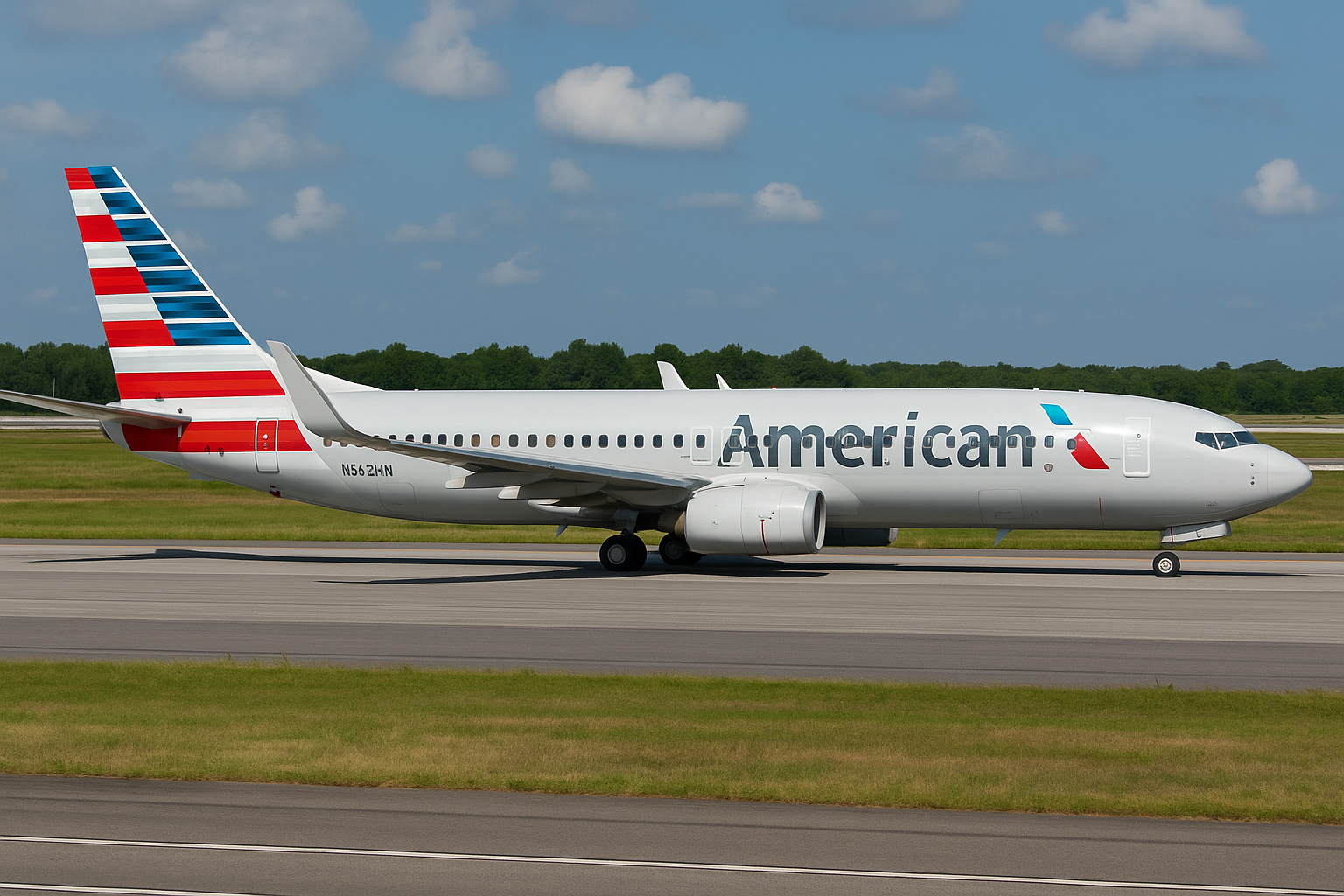
American Airlines is one of the largest and oldest full-help legacy carriers in the United States and globally. Headquartered in Fort Worth / Dallas, Texas (USA), American flies thousands of flights daily to hundreds of destinations worldwide.
It is a flagship carrier of American Airlines Group and — together with its regional branch (branded as American Eagle) — operates a vast network across North America, Latin America, Europe, and beyond.
As a founding member of the global alliance oneworld, American leverages partnerships and codeshares to extend global connectivity beyond its own flights.
History & Milestones
Understanding American’s long history helps appreciate its current stature in global aviation.
1920s–1930s: Origins in Airmail & Early Consolidation
- American traces its roots to a consolidation of dozens of small air-transport and airmail carriers.
- In 1926, a precursor (operating mail flights) began — by 1930, through merger of multiple small airlines, the company became known as American Airways, operating routes from the East to West across the U.S.
- In 1934, after industry-wide reorganization (with loss of many airmail contracts), the company reorganized and renamed itself American Airlines.
Mid-1900s: Expansion, Innovation & Modernization
- Under strong leadership spanning decades, American adopted innovations that shaped modern air travel — including early adoption of passenger-focused helps, route expansion across the continental U.S. and overseas.
- American was among the airlines that expanded into international helps to Caribbean, Latin America, and eventually across the Atlantic and Pacific, as global demand grew.
Late 1990s–2000s: Acquisitions & Restructuring
- American acquired routes from other airlines and expanded its network significantly, including the absorption of much of Trans World Airlines (TWA) assets in early 2000s, which expanded its reach considerably.
- However, global events including rising fuel costs and regulatory stress forced challenges; by 2011 the parent (AMR) filed for Chapter 11 bankruptcy protection.
2013: Merger and New Era
- In December 2013, American merged with US Airways, creating American Airlines Group and consolidating operations under American’s brand and network.
- The merger allowed a unified global network, route consolidation, operational scale, and stronger global competitiveness — setting the base for modern American.
2015–2025: Fleet Modernization & Corporate Restructuring
- Over recent years, American initiated a fleet-simplification and modernization strategy: retiring older aircraft models (e.g. MD-80s), simplifying types, and introducing newer, more efficient aircraft.
- As of 2025, American operates one of the world’s largest mainline fleets — over 1,000 aircraft — including modern Airbus and Boeing narrow-body and wide-body jets.
- In recent years, American has also focused on sustainability and operational efficiency, adapting to changing global aviation dynamics.
Network, Hubs & Global Reach
One of American’s greatest strengths lies in its extensive hub-and-spoke network, connecting large swathes of the Americas and beyond.
Major Hubs (U.S.)
American’s main hubs include (but are not limited to):
- Dallas/Fort Worth International Airport (DFW) — largest hub, major domestic & international operations
- Charlotte Douglas International Airport (CLT) — Southeastern U.S. hub, Caribbean/Latin-America gateway
- Chicago O’Hare International Airport (ORD) — Midwest hub, strong domestic network
- Miami International Airport (MIA) — major Latin America / Caribbean gateway
- Los Angeles International Airport (LAX) — West Coast hub, Pacific-international routes
- New York: John F. Kennedy International Airport (JFK) & LaGuardia Airport (LGA) — East Coast & transatlantic/Atlantic gateways
- Also operates from Philadelphia International Airport (PHL), Phoenix Sky Harbor International Airport (PHX), and Ronald Reagan Washington National Airport (DCA) among others.
Global Reach
- American serves more than 350 destinations across 60+ countries.
- Through oneworld alliance and codeshare agreements with global carriers, its effective global connectivity extends far beyond its own route map — enabling travelers to reach many cities worldwide despite not flying there directly.
Business Model & Corporate Stats
American blends legacy-carrier infrastructure with modern strategies to sustain competitiveness in a dynamic aviation market.
Key Corporate Facts
- Headquarters: Fort Worth / Dallas, Texas, USA.
- Parent Company: American Airlines Group.
- Fleet: ~1,000+ mainline aircraft as of 2025 — one of the largest fleets in commercial aviation worldwide.
- Destinations: 350+ globally, across more than 60 countries.
- Business Segments:
- Passenger transport (mainline + regional via American Eagle)
- Cargo & freight
- Frequent-flyer and loyalty program: AAdvantage® — among the oldest and largest globally.
- Lounge & premium helps: including Admirals Club® and other premium-class amenities.
Strategic Approach
- Continues investing in fleet modernization and simplification — replacing older jets with fuel-efficient Airbus/Boeing models.
- Leverages its hub-and-spoke model to maximize network efficiency and coverage across domestic and international routes.
- Uses alliance and codeshare partnerships to expand reach globally beyond its own flights, offering customers flexibility and broad connectivity.
Passenger Experience: Services, Classes & Fleet
American offers a range of cabin classes and helps tailored to diverse travelers — from budget-minded flyers to premium long-haul passengers.
Cabin Classes & Onboard Experience
Typical offerings include:
- Business / Flagship class — for long-haul and premium travelers, offering lie-flat seats, premium meals, lounge access (Admirals Club or Flagship Lounges).
- Premium Economy / Premium Cabins — on certain routes and aircraft types, for travelers seeking extra comfort at mid-range pricing.
- First Class (domestic on some aircraft) — on certain narrow-body flights within the U.S.
- Main Cabin (Economy) & Basic Economy — for budget-conscious travelers, offering standard economy help and pricing flexibility.
Fleet & Aircraft Modernization
- As of 2025, American’s fleet includes a mix of Airbus and Boeing narrow-body and wide-body aircraft, forming one of the largest mainline fleets worldwide.
- The airline has phased out older, less efficient aircraft (e.g., MD-80s) and invested in more efficient and modern planes to improve fuel efficiency, reduce maintenance costs, and enhance passenger comfort.
- American continues to invest in upgrading interiors, inflight helps, and technology (reservation systems, lounge helps, global connectivity) to stay competitive and improve passenger experience.
What Sets American Airlines Apart: Strengths & Strategic Advantages
American’s competitive advantages come from its legacy, scale, network, and global alliances.
- Extensive Hub & Route Network: With major hubs across U.S. regions (South, Midwest, East Coast, West Coast), American provides broad domestic and international coverage.
- Global Reach via oneworld & Partners: Through its alliance membership and codeshares, American extends connectivity globally beyond its direct flights — useful for travelers planning complex, multi-leg international trips.
- Large Fleet & Operational Scale: Operating over 1,000 aircraft worldwide gives flexibility, redundancy, and capacity to serve many routes, frequent flyers, and peak demand.
- Diverse Cabin Offerings: From budget-friendly economy to premium business/Flagship, and frequent-flyer perks via AAdvantage, American caters to a wide spectrum of traveler needs and budgets.
- Legacy & Brand Recognition: With nearly a century of history, American has established itself as a trusted name in aviation, which helps build loyalty, despite competition and industry turbulence.
Challenges & External Pressures
Operating at the scale of American Airlines comes with substantial challenges — industry-wide and internal.
Fleet & Maintenance Costs
Maintaining a large mixed fleet requires careful balancing: older aircraft are expensive to maintain and less fuel-efficient; fleet modernization demands heavy capital investment. American’s ongoing simplification and upgrade program aims to mitigate this.
Competition & Market Dynamics
American competes with other legacy airlines, low-cost carriers, and global airlines — which means fluctuating demand, pricing pressure, and shifting consumer preferences toward budget or premium segments.
Operational Complexity & Regulation
Running a large hub-and-spoke network + global flights involves managing slots, schedules, regulatory compliance in many countries, labor agreements, and unpredictability (fuel prices, changing demand, global events).
Need for Continued Modernization
To stay competitive, American must keep upgrading not just aircraft but also customer experience (onboard comfort, lounges, digital helps, sustainability), which demands ongoing investment.
Practical Advice: What Travelers Should Know When Flying American
If you plan to travel with American Airlines — domestic or international — here are some takeaways:
- Use Its Hub Network for Connectivity: DFW, CLT, MIA, LAX, ORD — if you route through these, you often get many more flight options and better connectivity across continents.
- Pick Cabin Based on Route: For long-haul international or transcontinental U.S. flights, Business / Flagship or Premium Economy may offer better comfort. For short domestic hops, Main Cabin / Basic Economy works well.
- Check Aircraft Type: Because American’s fleet is diverse, checking whether your flight uses newer aircraft (for comfort and efficiency) or older model can matter.
- Leverage Loyalty & Partnerships: With AAdvantage + oneworld alliance, you get flexibility — upgrade possibilities, global partner flights, lounge access, and better value if you travel frequently.
- Be Aware of Tradeoffs: Large network means connections, but also possible layovers — check schedule carefully. On budget-oriented fares, limited flexibility.